

8mm tempered glass price
The Versatility of 48% Butterfly Valves in Modern IndustriesButterfly valves are essential components in various industries, serving as a reliable mechanism for regulating fluid flow. Among the many designs available, the 48% butterfly valve stands out due to its unique functionality and efficiency. This valve type has gained a reputation for its innovative design, allowing for precise control while minimizing space requirements and energy consumption.The butterfly valve operates using a rotating disc that is mounted on a central shaft. When the valve is turned, the disc rotates to either open or close the flow of fluid. The 48% designation refers to the valve's design specification, indicating a 48% opening angle, which is crucial for achieving optimal flow rates and reducing pressure drops within the system. This precise angle provides an excellent balance between performance and control, making it ideal for applications requiring adjustable flow rates.One significant advantage of the 48% butterfly valve is its lightweight construction, which allows for easy installation and maintenance. Made from various materials, including stainless steel and plastic, these valves are corrosion-resistant and suitable for handling different types of fluids, including water, oil, and chemical substances. Their compact design also means they require less space compared to other types of valves, making them an ideal choice for facilities with limited room.In addition to their physical attributes, 48% butterfly valves are noted for their energy efficiency. The streamlined design reduces turbulence and minimizes energy loss during fluid passage, resulting in lower operational costs for industries such as water treatment, oil and gas, and food processing. The rapid closure capability of the valve further contributes to its efficiency, preventing backflow and ensuring systems operate smoothly.Moreover, the versatility of the 48% butterfly valve makes it suitable for various applications, from handling high-viscosity liquids to controlling gas flows in HVAC systems. The valve's reliability and ease of maintenance mean that industries can reduce downtime and extend the life of their equipment.In conclusion, the 48% butterfly valve is a vital component in modern industry, combining efficiency, durability, and versatility. As industries continue to seek solutions that promote sustainability and cost-effectiveness, the role of this innovative valve becomes increasingly significant, making it a preferred choice for fluid control applications worldwide. 48 butterfly valve .
about
8mm tempered glass price
Replacing a Water Shut-Off Valve A Step-by-Step Guide Water shut-off valves are crucial components in any plumbing system, allowing homeowners to control the flow of water to various fixtures and appliances. Over time, these valves can wear out, become corroded, or simply malfunction, leading to leaks or an inability to shut off the water supply. When faced with such issues, replacing the water shut-off valve becomes a necessary task. This article provides a detailed guide to help you successfully replace a water shut-off valve in your home. Understanding the Importance of Shut-Off Valves Shut-off valves are typically found near toilets, sinks, and washing machines. They allow you to isolate these specific areas for repairs or maintenance without affecting the entire plumbing system. When a valve fails, it can lead to water damage, increased utility bills, and other inconveniences. Therefore, understanding how to replace a faulty valve is a valuable skill for any homeowner. Tools and Materials Needed Before you begin the replacement process, gather the following tools and materials - Pipe wrench or adjustable wrench - Screwdriver (flathead or Phillips, depending on the valve) - Replacement shut-off valve - Plumber’s tape (Teflon tape) - Bucket or towel (to catch any water) Step-by-Step Guide to Replacing a Shut-Off Valve Step 1 Turn Off the Main Water Supply Before you start working, locate your home’s main water shut-off valve and turn it off. This step is crucial to prevent any water from flowing while you replace the valve. Step 2 Drain the Pipes After shutting off the main supply, open a faucet at the lowest point in your home to relieve pressure and drain any remaining water from the pipes . This will help minimize water spillage when you remove the old valve. Step 3 Remove the Old Valve Using a pipe wrench, carefully loosen the nuts that hold the old valve in place. Start with the nuts connected to the supply pipe. Once loose, you can remove the valve by twisting it off. Be prepared for some residual water to spill; having a bucket or towel handy will help contain the mess. replacing water shut off valve Step 4 Prepare the New Valve Take your replacement shut-off valve and wrap the threads of the inlet pipe with plumber’s tape. This tape ensures a watertight seal when you attach the new valve. Be sure to wrap it in the direction of the threading to avoid unraveling when you screw on the valve. Step 5 Install the New Valve Align the new valve with the inlet pipe and hand-tighten it first to avoid cross-threading. Once it’s hand-tight, use the pipe wrench to secure it further, but be careful not to overtighten, as this can damage the valve or the pipe. Step 6 Connect the Outlet Side If your valve has a connection to a fixture (like a faucet or toilet), attach that connection now. Again, use plumber’s tape on the threads before tightening. Step 7 Check for Leaks After the new valve is in place, turn the main water supply back on. Slowly open the new shut-off valve and check for leaks around the connections. If you see any leaking water, you may need to tighten the connections a bit more or reapply plumber’s tape. Step 8 Test the Valve Finally, test the functionality of the new shut-off valve by turning it off and on a few times. Ensure it fully stops the water flow when closed. Conclusion Replacing a water shut-off valve is a straightforward DIY task that can save you money on plumbing repairs. By following these steps, you can ensure that your water system operates efficiently and that you have full control over your water supply when needed. Always remember to prioritize safety by turning off the main water supply before beginning any plumbing work. With the right tools and a bit of patience, you can successfully tackle this home improvement project on your own.
-

High quality industrial productsagement

High quality industrial products
View Details -

Meet the diverse needs of customers

Meet the diverse needs of customers
View Details -

Strict quality control

Strict quality control
View Details -

Top raw materials

Top raw materials
View Details -

Trusted supplier

Trusted supplier
View Details
Our application

news and information
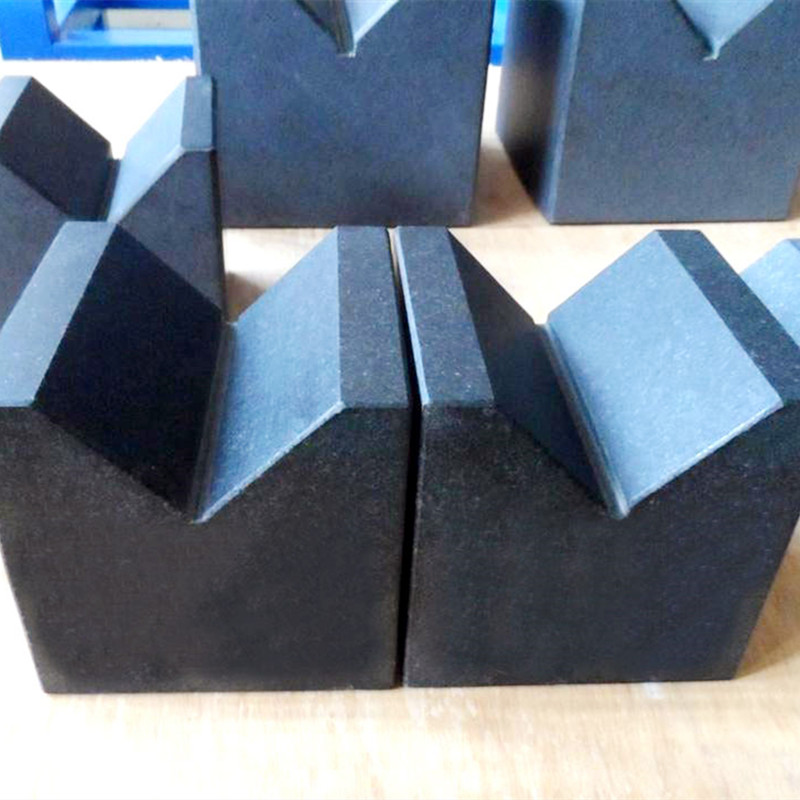
Water Strainer for Efficient Filtration and Reliable Performance in Various Applications
Understanding the Y-Type Water Strainer A Key Component in Fluid Systems In industrial and municipal

vibration pad manufacturer
The Importance of Vibration Pads in Industrial Applications In today's fast-paced industrial environ
water pressure reduction valve
The world of plumbing often seems straightforward until issues like high water pressure disrupt your
 English